





5 min read
May 14, 2026
What's actually changing in bathroom design right now — and what's quietly on its way out before you commit to it.
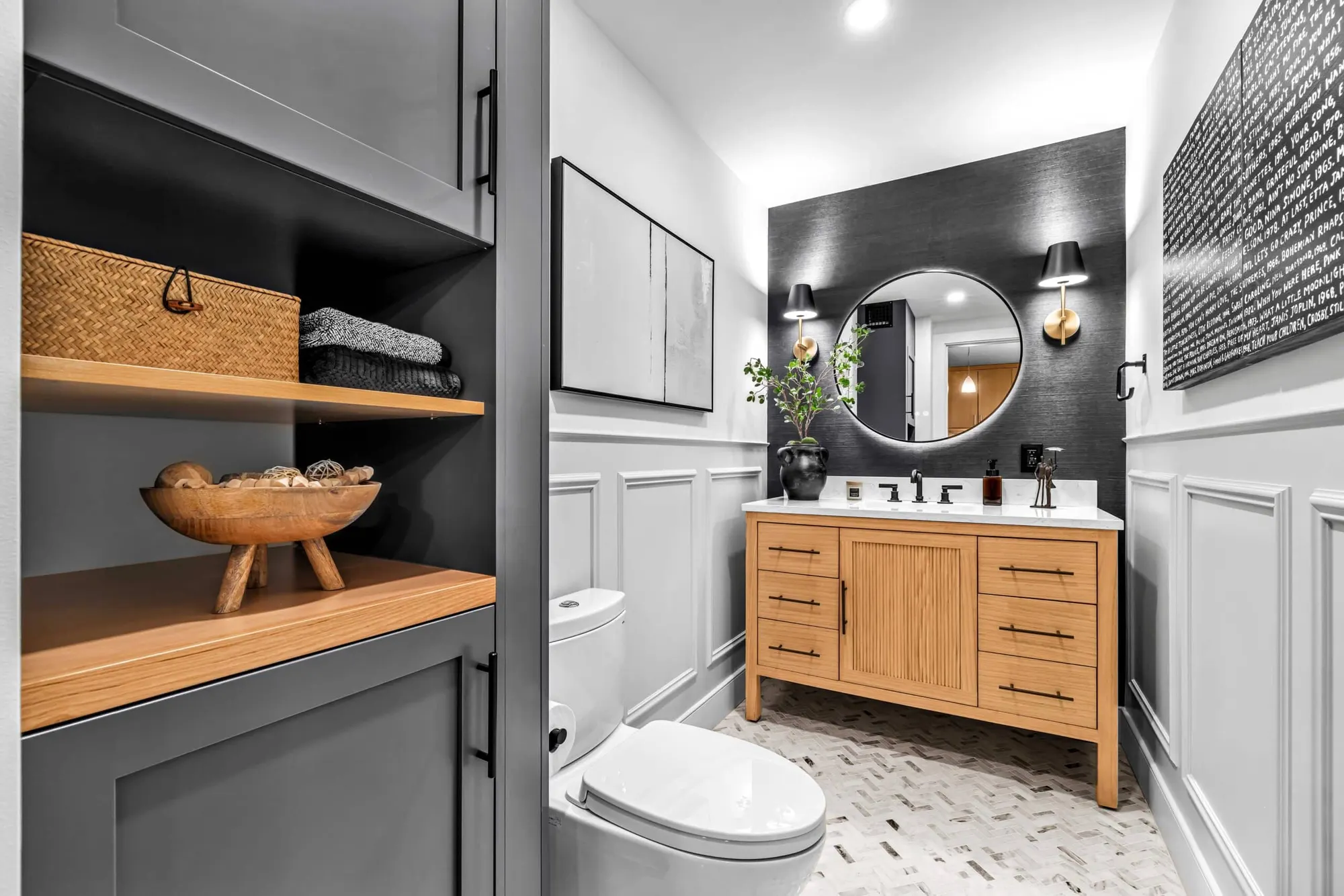
Custom bathroom vanities built in our Twin Cities shop since 1983. Single, double, wall-mounted, and floor-mounted — sized to your room, finished in our spray booth, installed by our carpenters as part of a Knutson bathroom.
Most bathroom remodels stand or fall on the vanity. It is the largest visible cabinet in the room, the surface you use twice a day, the storage that has to handle towels, hair tools, medications, and everything else that lives in a bathroom. We build vanities in our Twin Cities shop to the exact width of your wall, with the drawer bank on the side that makes sense for how you use the room, and with the outlets, lighting, and storage interiors planned around your routine — not a catalog template.
Single and double vanities sized to your wall
Floor-mounted and wall-mounted (floating) vanities
Inset, full overlay, and slab door styles
Painted, stained, and rift-cut wood finishes
Undermount, vessel, and integrated sink options
Drawer banks, hidden hampers, makeup stations, and outlet drawers

Need a quote? Send details.

Common Questions
Single or double? Custom width or standard? Floating or floor-mounted? Here are the vanity questions we field most before a bathroom project gets designed.
100%
client satisfaction

12k+ Happy Client
The Ultimate Remodeling Experience
At Knutson Custom Remodelers, we’re a family-owned team that’s been building great homes for over 40 years. Unlike firms that outsource everything, we control every aspect in-house—design, cabinetry fabrication, project management, field crews. That means one dedicated project manager accountable to you, experienced craftsmen who’ve been with us for 15+ years, and transparent communication from start to finish. 1,200+ completed projects and 100% client satisfaction speak to our commitment.
Meticulous attention to detail in every project
Quality craftsmanship you can trust
Personal oversight ensures your satisfaction
Remodeling Tips
Our experienced team is ready to satisfy your remodelling needs. We are professional in HVAC, Roofing, Siding and Window services. Contact us to get home improvement services now!
What's actually changing in bathroom design right now — and what's quietly on its way out before you commit to it.

Design principles for a master bathroom that works the way you actually live in it — showers, vanities, lighting, and layout done right.
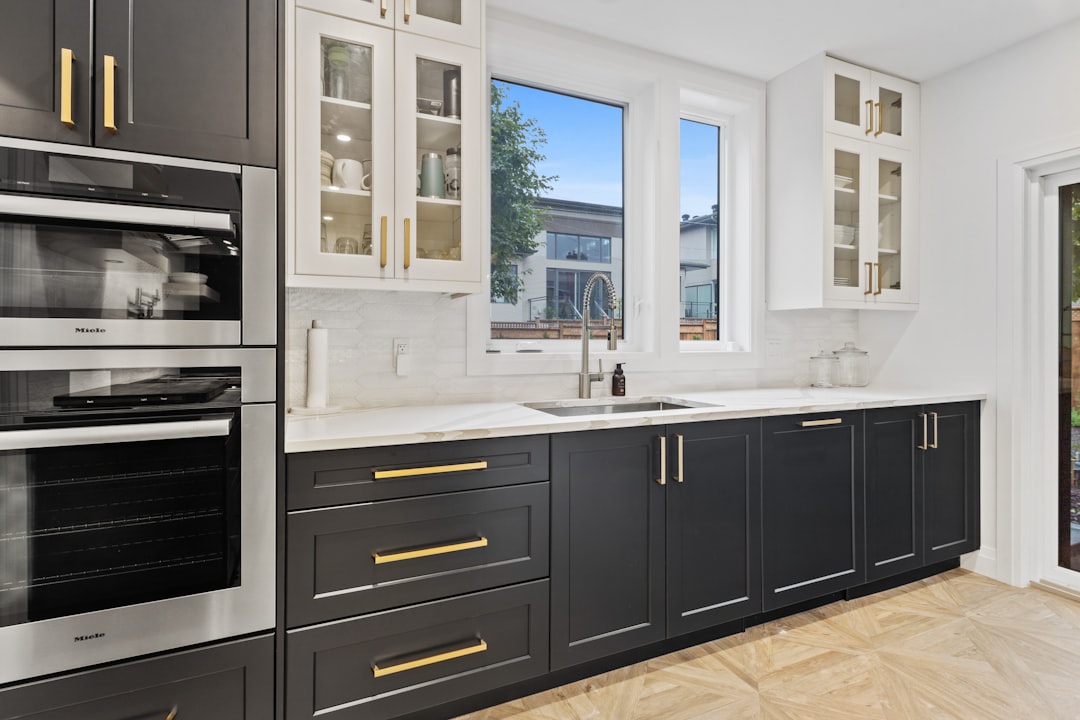
Layout, islands, backsplash, cabinets — the decisions that determine how your kitchen functions and how long it looks good.

Your kitchen is the heart of your home—the place where meals are made, memories are shared, and your family gathers. If your kitchen feels outdated, cramped, or just uninspired, a remodel can transform it into a space you love.