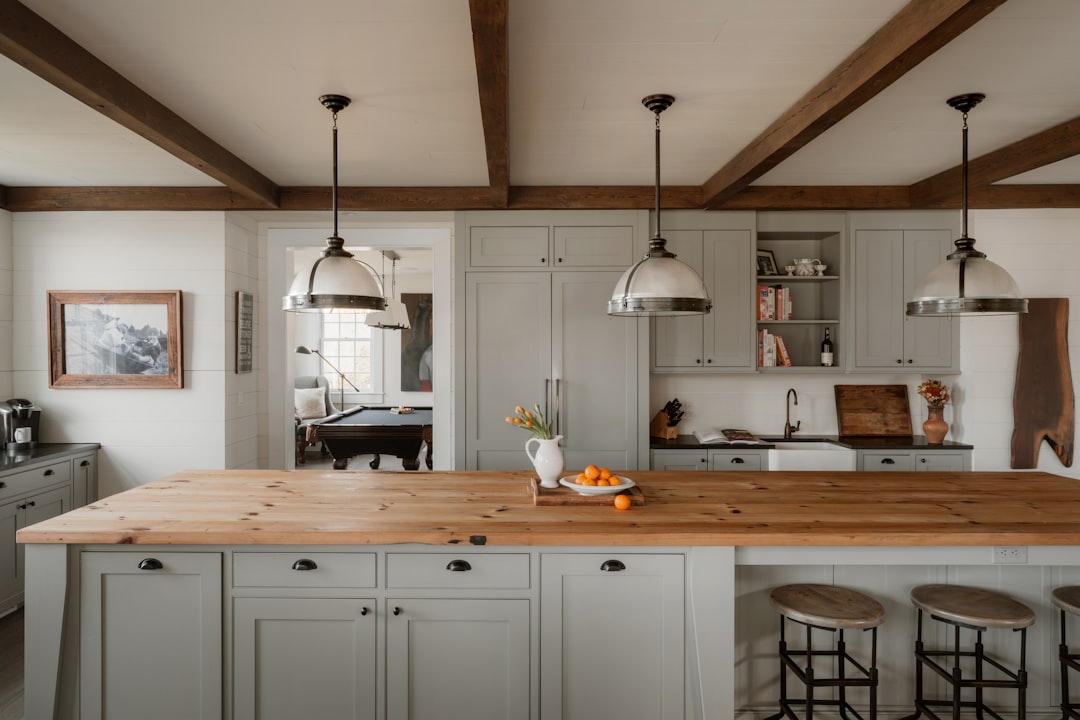
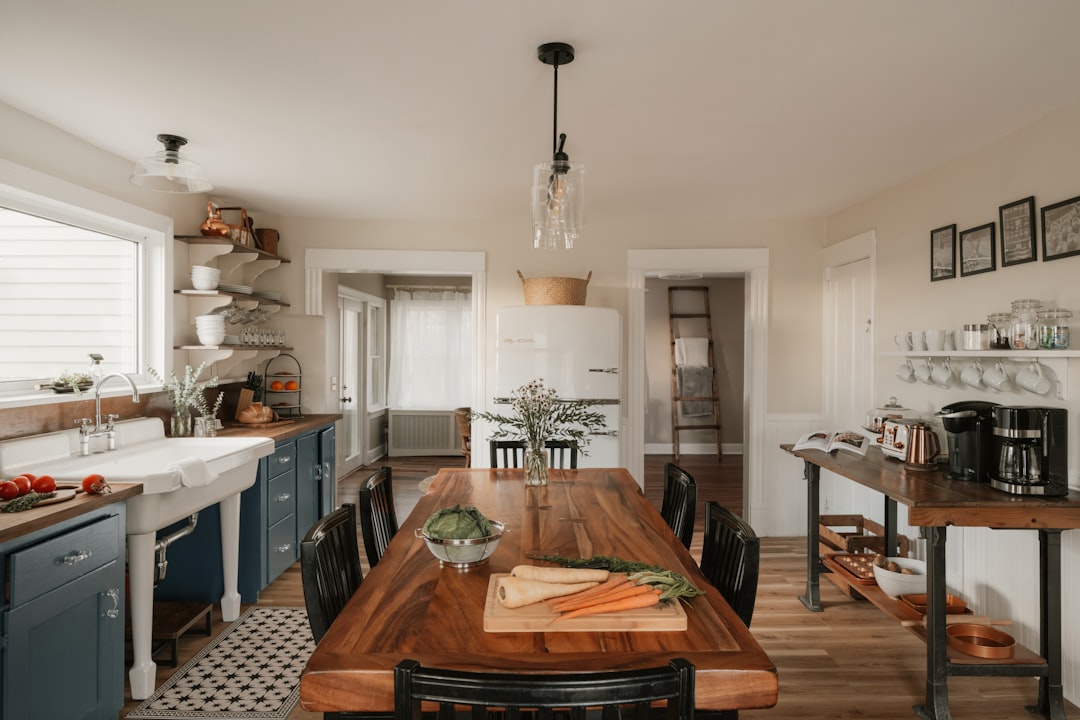
What is different about Minneapolis kitchens versus suburban kitchens is the housing stock. The dominant Minneapolis house is a 1920s bungalow with a small original kitchen against the back of the house, separated from the dining room by a swinging door or a load-bearing wall, with a back stair to the basement and a side door to the yard. Modernizing that kitchen almost always involves the same set of decisions: take down the wall to the dining room (or not), keep the back stair (or move it), replace the original cast-iron drains and knob-and-tube wiring (always), and decide whether to expand into a porch or stay inside the existing footprint.
Minneapolis kitchen scope by neighborhood
- South Minneapolis bungalows (Tangletown, Linden Hills, Powderhorn, Fulton, Kingfield, Field) — the most common Minneapolis kitchen project. Original 1920s footprint runs about 10×12 feet, attached to a small breakfast nook. The most common move is removing the dining-room wall and consolidating the kitchen, breakfast space, and dining into one open zone, often with a small island. Plaster walls, knob-and-tube electrical, and cast-iron drains all need to be addressed.
- Story-and-a-halfs and four-squares (Longfellow, Standish, Nokomis, Northrop) — similar housing era, slightly different floor plan. Often have a back porch off the kitchen that was enclosed at some point. We frequently bring that porch into the heated envelope as part of a kitchen remodel and treat it as a real prep zone, breakfast nook, or pantry.
- Northeast Minneapolis (Audubon Park, Logan Park, Windom Park, Sheridan) — mostly bungalows and Tudors with similar bones to south Minneapolis. Same era, same systems, same opportunities.
- Uptown, Kenwood, Lowry Hill, Lake of the Isles — bigger homes, often with a 1920s or 1930s build with formal dining, a butler’s pantry, and a small kitchen tucked at the back. The classic move here is reclaiming the butler’s pantry into the kitchen footprint, opening the kitchen to the dining or family room, and restoring the period detail (inset cabinetry, marble counters, classic hardware) so the renovation reads as period-appropriate, not as a modern overlay.
- Lake of the Isles, Cedar-Isles-Dean — also home to a meaningful number of mid-century modern builds with low-pitch roofs, big windows, and original galley kitchens. These respond well to contemporary renovations: rift-sawn or quarter-sawn wood cabinetry, slab fronts, integrated appliances, a single-level island.
- Downtown lofts and condos (North Loop, Mill District, Loring Park, Elliot Park) — completely different problem set. Concrete columns, exposed structure, plumbing routing constrained by slab. The kitchen is usually one wall plus an island. The work is custom cabinetry to the building’s exact constraints, typically slab-front contemporary, with appliances integrated and the ceiling structure left exposed.
What’s specific to Minneapolis kitchen projects
The first Minneapolis kitchen reality is the age of the systems. A 1920s bungalow that has not been renovated in the last twenty years almost certainly still has knob-and-tube electrical somewhere in the kitchen, cast-iron drain stacks that are at the end of their service life, and galvanized supply lines that are restricting flow. We replace all of these to copper or PEX supply, ABS or PVC drains, and modern romex circuits during the remodel, and we coordinate with the city’s permit and inspection process so that everything is documented for the eventual sale of the home.
The second Minneapolis reality is walls. Most original kitchens are walled off from the dining room, and most modern kitchen designs want that wall opened up. Whether the wall is load-bearing depends on the house: bungalows almost always have a load-bearing wall between kitchen and dining (the second-floor knee wall or the attic structure sits on it), four-squares sometimes do, mid-century homes usually do not. We have a structural engineer we work with on every wall removal, and we plan the beam type (steel, LVL, or flush-framed glulam) so the new opening matches the existing ceiling line. The city of Minneapolis requires permits and inspections on structural work, and we handle that paperwork.
The third Minneapolis reality is permits and historic districts. Most of Minneapolis is not a historic district, but several neighborhoods are — Lowry Hill East, parts of Lake of the Isles, the Healy block in Powderhorn, and a handful of others. If the work is interior-only, historic district designation usually does not change the scope. If exterior changes are involved (windows, doors, additions), we work through the Heritage Preservation Commission process. The city’s standard permit process for interior kitchen remodels typically takes one to three weeks for review, with inspections at rough-in, framing, and final.
The fourth Minneapolis reality is parking and material staging. Many south Minneapolis bungalows have a one-car garage at the back of the lot accessed by an alley. Material delivery happens off the alley. On busy demolition days we work with the homeowner to get a temporary parking dispensation if needed. We have done this enough that the logistics rarely surprise us.
Cost ranges for Minneapolis kitchens
Minneapolis kitchen budgets vary by house size and scope. As a working guide for a Knutson kitchen remodel: a tighter bungalow kitchen refresh staying inside the existing footprint with new custom cabinetry, quartz tops, and basic structural updates runs $45,000 to $85,000. A standard south-Minneapolis kitchen open to the dining room with a wall removal, all new mechanicals, and a small island runs $80,000 to $145,000. A premium kitchen in Lowry Hill, Lake of the Isles, or Kenwood with restored period detail, marble, custom paneled appliances, and a butler’s pantry runs $165,000 to $295,000+. A downtown loft kitchen with custom cabinetry and integrated appliances typically runs $75,000 to $185,000 depending on size and finish.
Timeline for a Minneapolis kitchen project
A typical Minneapolis kitchen schedule from contract to completion runs about six to ten months. Design and cabinetry drawings take six to ten weeks. Permit and pre-construction takes two to four weeks. On-site construction typically runs ten to fourteen weeks for a standard remodel and fourteen to twenty for premium scope with extensive structural work. The schedule is not seasonal — kitchen interiors run year-round in Minneapolis.
Schedule a Minneapolis kitchen visit
Set up a walk-through and we will spend the time it takes to look at the wall structure, the systems, and the way your family uses the kitchen. By the end of the meeting you will have a clear scope direction, a working budget, and a realistic sense of design and build timing.