





5 min read
May 14, 2026
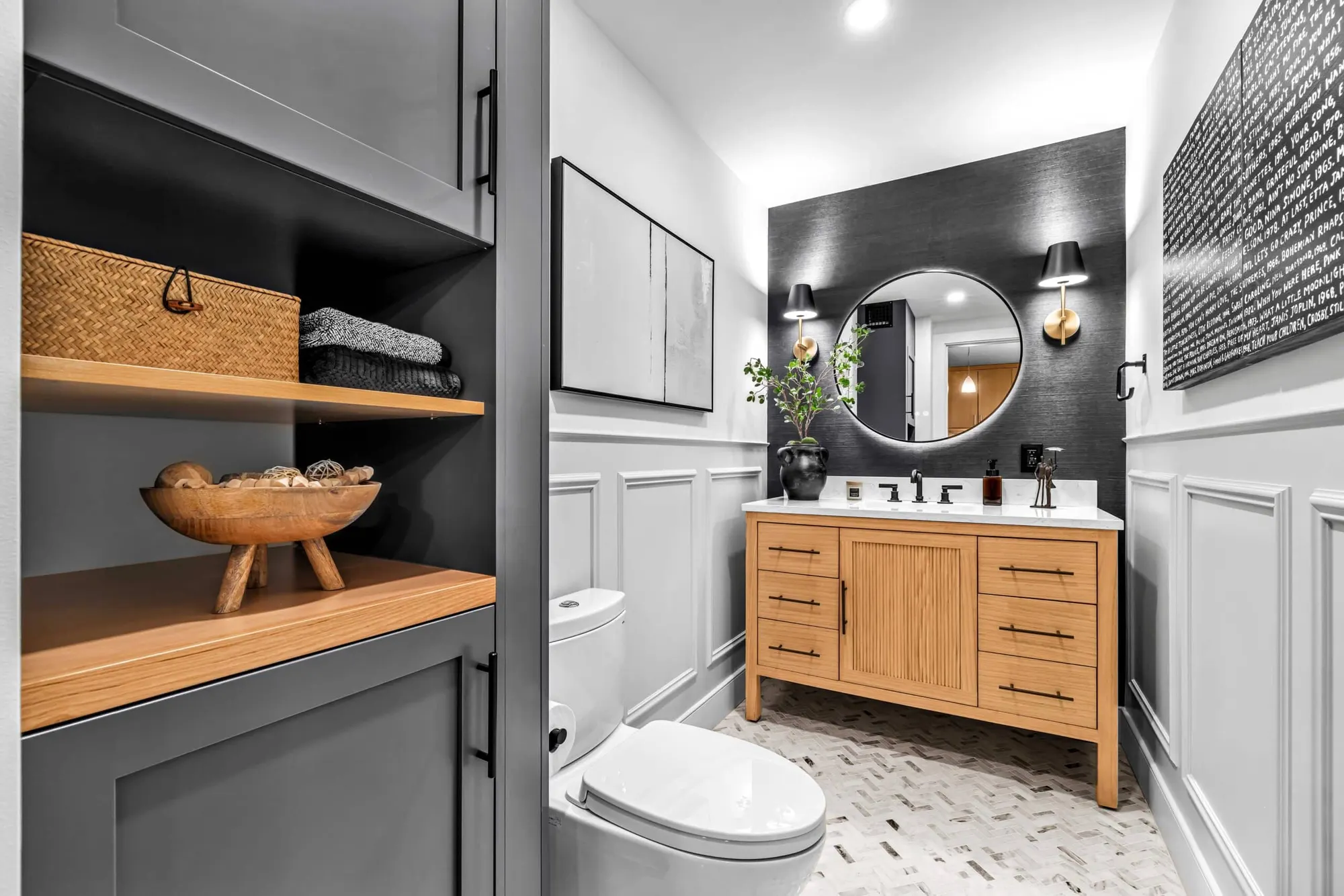
What's actually changing in bathroom design right now — and what's quietly on its way out before you commit to it.
Custom kitchen backsplashes installed across the Twin Cities since 1983. Subway tile, marble and quartz slab, mosaic, brick, and full-height stone — installed as part of a Knutson kitchen with the cabinetry, lighting, and outlet detail coordinated by one team.
A backsplash takes up maybe ten square feet of wall space, and it sets the personality of the entire kitchen. It is the surface your eye lands on between the cabinets and the countertop, the part of the room you look at while you cook, and the most photographed wall in any kitchen remodel. We treat it as a deliberate choice, not a finishing afterthought — and we install it with the right substrate, the right grout, and the right outlet detail so it looks like it belongs.
Subway tile — ceramic, porcelain, handmade, beveled
Marble, quartz, and natural-stone slab backsplashes
Mosaic and pattern tile — penny round, hexagon, herringbone
Brick veneer and reclaimed brick
Full-height stone and tile to the underside of the upper cabinets or all the way to the ceiling
Coordinated outlet placement, edge trim, and grout color

Need a quote? Send details.

Common Questions
The backsplash is part of our standard kitchen remodel scope, and we also install backsplashes as a standalone update on kitchens where the rest of the room is staying. The work behind a good backsplash is invisible: the substrate has to be flat, the tile layout has to be planned around outlets and cabinet edges, the grout color has to be picked under your kitchen's actual lighting, and the transition where the backsplash meets the countertop and the upper cabinets has to be detailed correctly.
100%
client satisfaction

12k+ Happy Client
The Ultimate Remodeling Experience
At Knutson Custom Remodelers, we’re a family-owned team that’s been building great homes for over 40 years. Unlike firms that outsource everything, we control every aspect in-house—design, cabinetry fabrication, project management, field crews. That means one dedicated project manager accountable to you, experienced craftsmen who’ve been with us for 15+ years, and transparent communication from start to finish. 1,200+ completed projects and 100% client satisfaction speak to our commitment.
Meticulous attention to detail in every project
Quality craftsmanship you can trust
Personal oversight ensures your satisfaction
Remodeling Tips
Our experienced team is ready to satisfy your remodelling needs. We are professional in HVAC, Roofing, Siding and Window services. Contact us to get home improvement services now!
What's actually changing in bathroom design right now — and what's quietly on its way out before you commit to it.

Design principles for a master bathroom that works the way you actually live in it — showers, vanities, lighting, and layout done right.
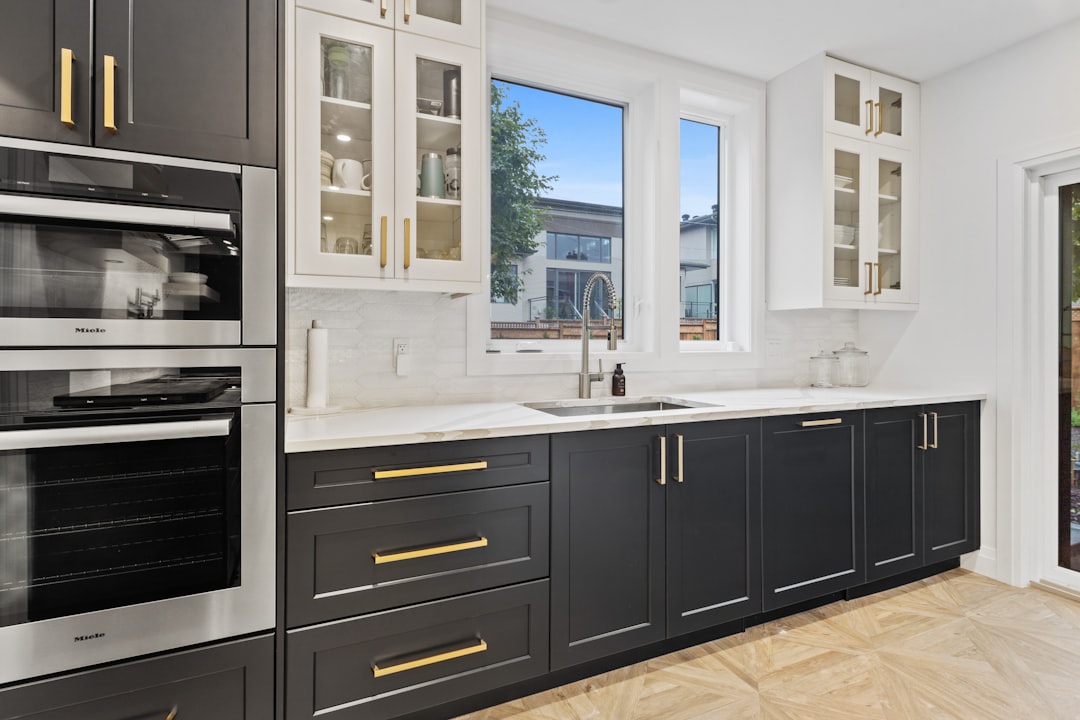
Layout, islands, backsplash, cabinets — the decisions that determine how your kitchen functions and how long it looks good.

Your kitchen is the heart of your home—the place where meals are made, memories are shared, and your family gathers. If your kitchen feels outdated, cramped, or just uninspired, a remodel can transform it into a space you love.