





5 min read
May 14, 2026
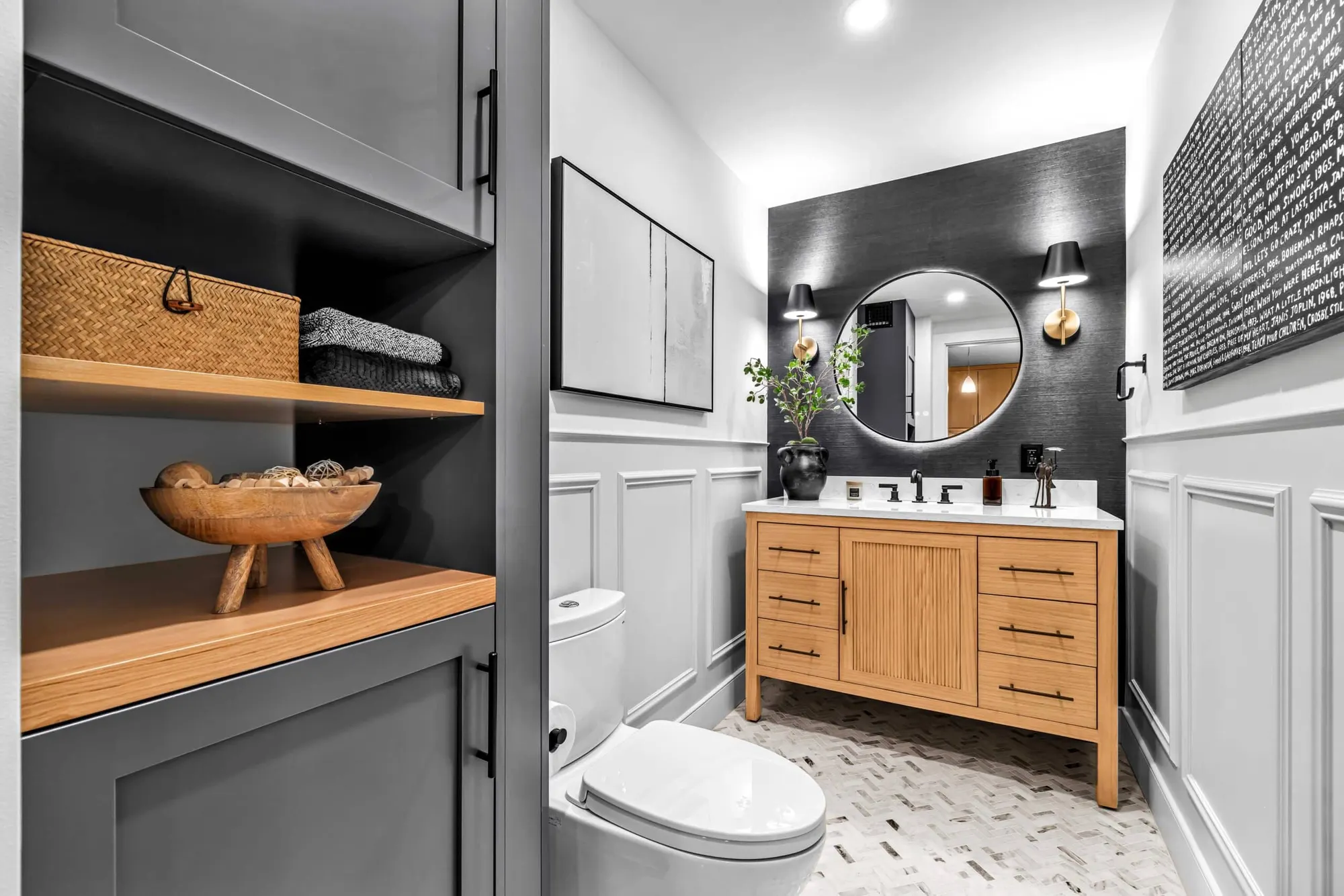
What's actually changing in bathroom design right now — and what's quietly on its way out before you commit to it.
Custom kitchen cabinets built in our Twin Cities shop since 1983. Inset, full overlay, painted, stained — made to your exact wall dimensions, finished in our spray booth, installed by our carpenters.
Every other decision in a kitchen — countertop, backsplash, lighting, hardware — gets framed by the cabinets. Get the cabinets right and the rest of the kitchen lines up. Get them wrong and no countertop saves the room. Our shop has been building kitchen cabinets for Twin Cities homes for over forty years, in every door style and finish that has come and gone, and we measure, draw, build, finish, and install all of it under one warranty.
Inset, full overlay, and partial overlay construction
Shaker, slab, beaded, and traditional raised-panel doors
Painted, stained, and glazed finishes — applied in our spray booth
Walnut, white oak, cherry, maple, and paint-grade species
Soft-close hinges and drawer slides on every cabinet
Drawer banks, pullouts, dividers, trash and recycling stations, spice and tray storage

Need a quote? Send details.

Common Questions
The reason to buy custom cabinets instead of semi-custom is fit. Production cabinets come in 3-inch width increments, and the gaps between those increments end up filled with fillers — a strip of plain wood beside your refrigerator, a dead corner that should have been a pullout, an awkward void above the range hood. Our cabinets are built to the exact dimensions of your walls, so every inch is either a working cabinet or a deliberate decision.
100%
client satisfaction

12k+ Happy Client
The Ultimate Remodeling Experience
At Knutson Custom Remodelers, we’re a family-owned team that’s been building great homes for over 40 years. Unlike firms that outsource everything, we control every aspect in-house—design, cabinetry fabrication, project management, field crews. That means one dedicated project manager accountable to you, experienced craftsmen who’ve been with us for 15+ years, and transparent communication from start to finish. 1,200+ completed projects and 100% client satisfaction speak to our commitment.
Meticulous attention to detail in every project
Quality craftsmanship you can trust
Personal oversight ensures your satisfaction
Remodeling Tips
Our experienced team is ready to satisfy your remodelling needs. We are professional in HVAC, Roofing, Siding and Window services. Contact us to get home improvement services now!
What's actually changing in bathroom design right now — and what's quietly on its way out before you commit to it.

Design principles for a master bathroom that works the way you actually live in it — showers, vanities, lighting, and layout done right.
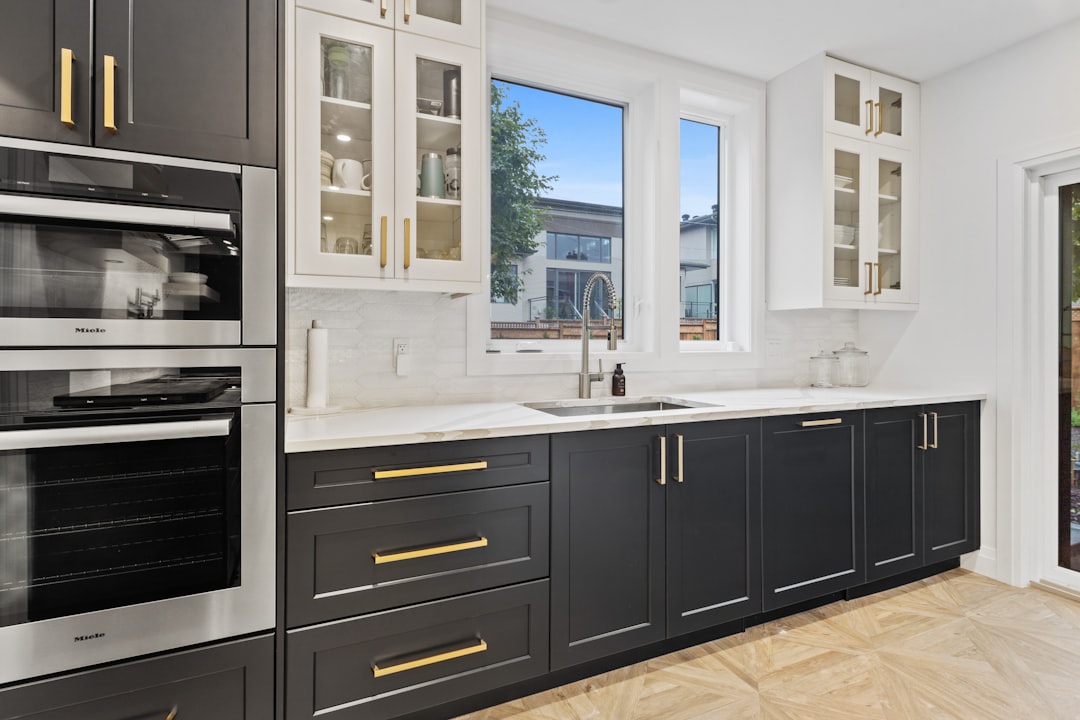
Layout, islands, backsplash, cabinets — the decisions that determine how your kitchen functions and how long it looks good.

Your kitchen is the heart of your home—the place where meals are made, memories are shared, and your family gathers. If your kitchen feels outdated, cramped, or just uninspired, a remodel can transform it into a space you love.